

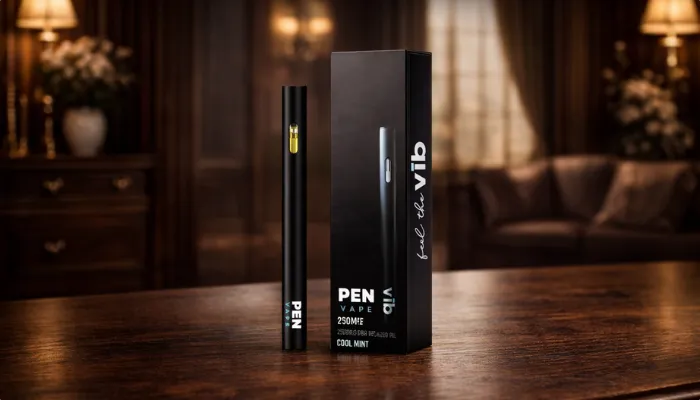
A vape brand launched a new disposable pen product with excellent hardware and competitive pricing. Their first retail submission to a dispensary buyer was rejected on the same day it was reviewed — not because of the product itself but because the packaging failed compliance review on three counts: no child-resistant mechanism, missing warning language panel, and no tamper-evident feature. The repackaging cost delayed their launch by 11 weeks and consumed a budget that had been allocated to marketing.
This is not an unusual story. In regulated cannabis and vape markets across the United States, packaging compliance is enforced at the point of dispensary submission — not at the point of sale. By the time a buyer reviews your product, the packaging structure is already fixed, the artwork is already printed, and changing any of it means starting over. Brands that treat packaging as a final step — something to be sorted out after the product design is finalized — consistently face this outcome.
Vape pen packaging boxes must solve compliance, physical product protection, and brand communication simultaneously. None of these can be treated as secondary. Studies show that 68% of cannabis consumers say packaging design influences their purchase decision at retail, making vape packaging one of the most measurable drivers of dispensary sell-through for cannabis brands. That same packaging must also pass a compliance review before it ever reaches a shelf. Planning all three requirements together, from the beginning of the product development cycle, is what separates brands that launch on schedule from brands that spend 11 weeks in a redesign cycle.
What Vape Pen Packaging Boxes Must Do — In Priority Order
The four requirements of vape pen packaging are not equal in urgency. They have a sequence, and understanding that sequence is the difference between packaging that works and packaging that fails before it reaches a buyer.
Priority one is compliance. Child-resistant mechanisms, tamper-evident features, warning label surfaces, and state-specific regulatory requirements must all be integrated into the packaging structure before any design work begins. This is not a preference — it is the condition that determines whether your product is permitted to be sold in a regulated dispensary or retail environment at all. The consequence of reversing this priority is the scenario described above: a finished, printed, fully branded box that fails dispensary review and must be redesigned from scratch. Every state where you plan to sell has specific requirements, and those requirements vary. Your packaging structure must be determined by your target regulatory environment, not by your aesthetic preferences, before a single panel is laid out in a design file. Always verify the specific compliance requirements for each state you intend to sell in with the applicable state regulatory authority — requirements change, and what qualifies in one market may not qualify in another.
Priority two is product protection. Vape pens and cartridges are fragile in specific and predictable ways. Glass cartridges crack under lateral pressure during transit. Battery contacts on disposable pens can be damaged by repeated movement inside an oversized box. Mouthpieces are exposed when cartridges are loosely packed without a fitted insert. A properly designed insert system — whether cardboard, foam, or thermoformed plastic — eliminates all of these risks by holding the product in a fixed, cushioned position that prevents movement regardless of how the shipping carton is handled. The insert is not optional for fragile hardware. It is the structural solution to a structural problem, and it needs to be designed to the exact dimensions of your specific product rather than to a generic template.
Priority three is brand communication. Once compliance is designed in and the insert system is confirmed, the remaining surface area of your packaging is your brand’s primary physical marketing asset in the dispensary environment. How your finishing choices land — whether a matte coating reads as premium or flat, whether a foil logo creates the contrast you intended against the base material — determines how your product is perceived before it is opened. Packaging that looks finished and intentional signals that the brand behind it is serious. Packaging that looks like it was designed quickly around compliance requirements that were added as an afterthought signals exactly that.
Priority four is retail performance. In a dispensary environment, staff recommendations drive a significant portion of sales — particularly for new brands without established customer recognition. Packaging that dispensary staff can demonstrate confidently, open cleanly, and explain quickly performs better than packaging that requires staff to struggle with a CR mechanism during a customer interaction. Child-resistant packaging that is also user-intuitive — that staff understand immediately and can demonstrate without hesitation — is a genuine commercial advantage over CR packaging that is technically compliant but operationally frustrating.
Types of Vape Pen Packaging — Which Structure for Which Product
The right packaging structure for a vape product is determined by the product format, the price point, the target retail channel, and the CR mechanism required. There is no single correct answer — but there are clear patterns, and understanding them saves expensive trial and error.
The standard tuck-end vape carton is the most widely used structure in the vape category. A die-cut paperboard carton with tuck-in flaps at each end, it provides four full panels of printable surface area for brand graphics and compliance information, assembles quickly for high-volume packing operations, and integrates child-resistant features through tear notches, locking tabs, or frustration-feature additions that meet CR specifications without requiring a separate mechanism component. For entry-level vape brands, new market entrants, and high-volume disposable pen SKUs where per-unit packaging cost is a real constraint, the tuck-end carton is the correct starting point. It is not a lesser option — it is the appropriate structure for the product and market context it serves.
The push-and-slide child-resistant box consists of an inner tray that slides out from an outer sleeve only when the user applies pressure to a specific point on the sleeve while simultaneously pulling the tray. The mechanism is intuitive once demonstrated, widely recognized across regulated markets as a compliant CR solution, and compatible with full-surface branding on both the outer sleeve and the inner tray. For cannabis vape cartridges — where CR compliance is typically mandatory under state law — and for mid-range disposable pens where the packaging needs to communicate a step up in brand quality from a basic tuck-end carton, the push-and-slide structure is one of the most frequently specified formats. Its CR mechanism is reliable, repeatable, and easy for dispensary staff to demonstrate to customers.
A Denver-based cannabis vape brand redesigned their cartridge packaging from a standard tuck carton to a matte black push-and-slide CR box with gold foil logo. Dispensary staff began proactively recommending the product within 30 days of the new packaging appearing on shelves — the brand reported that staff cited the packaging as the reason customers were asking for it by name rather than by category. The combination of a recognizable CR mechanism and a clearly premium finish elevated the product’s perceived position in the dispensary without any change to the product itself.
The rigid vape box is a permanently assembled structure — not a folding carton — constructed from thick greyboard and wrapped or laminated with printed paper or fabric. It does not collapse flat after use. Its non-folding structure communicates permanence and quality before the product is seen, in the same way that a rigid perfume box signals premium positioning in the cosmetics category. For vape hardware priced above $50, for limited-edition or gift-positioned releases, and for high-end cartridge collections where the retail price point supports a higher packaging investment, the rigid box is the correct structural choice. It photographs significantly better than a folding carton — the clean lines, the substantial feel, and the premium finishing options available on rigid construction consistently produce stronger product imagery for e-commerce listings and social media content. Soft-touch coating, gold foil stamping, and embossed brand marks all perform at their best on rigid construction.
The slide drawer vape box features an inner tray that pulls out from a sleeve — similar in concept to a matchbox. The reveal is slow, deliberate, and tactile. For premium single cartridges, limited edition hardware drops, and luxury vape brand positioning where the unboxing experience is itself part of the product proposition, the drawer mechanism creates a moment of anticipation that a tuck-end box cannot replicate. The slower opening pace signals that the product inside is worth taking time over — a perception effect that directly supports premium pricing and customer retention.
Vape cartridge display boxes hold multiple cartridge units in a single open-front structure for dispensary counter or shelf display. For brands with strong dispensary relationships and established cartridge SKUs with consistent sell-through, display packaging solves a practical operational problem: it lets dispensary staff locate your specific product quickly during a busy customer interaction without searching through back stock. That operational ease translates into more frequent staff recommendations — not because of the packaging design alone, but because the packaging makes your product the path of least resistance when a staff member is answering a customer question about cartridges.
Child-Resistant Requirements for Vape Pen Packaging
Child-resistant packaging for vape products is mandatory in most regulated cannabis markets in the United States, and is increasingly required or recommended for nicotine vape products in states that have enacted youth vaping prevention legislation. Understanding what qualifies — and what dispensary buyers actually check during product submission review — is essential before a single box is specified.
Dispensary buyers conducting compliance review are checking for three things: a documented CR mechanism that meets CPSC standards, tamper-evident features that confirm the product has not been accessed since packing, and required warning language occupying the specified minimum panel space on the exterior of the packaging. If any one of these three elements is absent or incorrectly implemented, the submission fails regardless of how strong the product itself is.
The three CR mechanisms most commonly used in vape packaging each have specific applications. The push-and-slide mechanism — in which a user must press a specific point on the outer sleeve while pulling the inner tray — is the most widely used across regulated cannabis markets because it is both reliably CR-compliant and intuitive enough for adults to operate without instructions. It is the appropriate default choice for cannabis cartridge packaging. The squeeze-and-pull mechanism requires the user to compress the sides of the box at specific points while simultaneously pulling the opening — a more manual operation that is effective for disposable pen packaging where the smaller format makes a push-and-slide mechanism less practical. Locking tab systems use a recessed tab that must be depressed before the box will open — appropriate for premium applications where a CR mechanism must be integrated into a rigid or semi-rigid structure without compromising the visual quality of the packaging.
Not every mechanism that describes itself as child-resistant automatically qualifies as CR-compliant. Compliance requires that the mechanism passes CPSC testing protocols — specifically the 85% adult open rate and 15% or less child open rate standards that define CR certification. When specifying vape packaging with a CR mechanism, always ask your packaging supplier whether the specific mechanism on the specific box structure has been tested and certified, and request documentation. A mechanism that looks similar to a certified design may not perform identically in testing.
CR requirements vary significantly by state. California, Colorado, Michigan, Illinois, Nevada, and Washington all have specific cannabis packaging requirements that include CR specifications, but the details — which products require CR, what minimum standards apply, and whether third-party certification is required — differ between jurisdictions. Always verify the specific requirements applicable to your products in each state you sell in directly with the relevant state regulatory authority. Packaging that is fully compliant in one state may not meet the requirements of another.
Making CR packaging look premium rather than clinical is one of the most consistent challenges for cannabis vape brands. The solution is in the finishing rather than the structure — a push-and-slide box in matte black with a precisely positioned foil logo reads as deliberately premium. The same box in unfinished white SBS board reads as generic pharmaceutical. The CR mechanism is identical. The finishing is what separates them.
Materials for Vape Pen Packaging
The right material for a vape pen box is determined by the product’s retail price point and the finish quality required to support that positioning — not by what is cheapest to produce.
Standard cardboard in the 14 to 18 point range is the most common material for entry-level and mid-range vape cartons. It provides a printable surface that supports CMYK full-color printing and most standard lamination finishes, assembles efficiently for high-volume packing operations, and keeps per-unit packaging costs competitive for disposable pens and budget-positioned SKUs. Its limitation is tactile — compared to premium alternatives, standard cardboard feels lighter and less substantial in the hand, which can undercut perceived product value for products positioned above the entry tier.
Rigid chipboard is the correct material for premium vape hardware. The permanently assembled structure communicates quality through its physical properties before any finishing is applied — the weight of the board, the clean edges, the resistance to flexing all signal to the person holding the box that the product inside merits the investment. For vape devices priced above $40, for gift editions, and for hardware with a high perceived value requirement, the incremental cost of rigid construction is justified by the positioning it supports.
Corrugated board is not typically used for individual retail vape packaging. Its appropriate application in the vape category is for shipping cartons and wholesale transport boxes that protect finished retail cartons during distribution from manufacturer to dispensary. The corrugated outer protects the finished inner packaging rather than replacing it.
Eco-friendly alternatives — FSC-certified paperboard, recycled kraft, and board with post-consumer recycled content — are a growing segment within cannabis vape packaging. Sustainable cannabis packaging demand has grown approximately 45% as cannabis brands targeting sustainability-conscious consumer segments have recognized that packaging material choice is a visible and verifiable signal of environmental commitment. FSC-certified paperboard performs comparably to standard SBS in most print and finishing applications, supports the same range of CR mechanism integrations, and is available at per-unit costs that are now competitive with conventional alternatives at most production volumes.
Printing and Finishing for Vape Pen Packaging Boxes
Printing for vape packaging differs from standard retail printing in one fundamental way: compliance panels compete directly with branding for surface space. A vape carton that has four printable panels — front, back, and two sides — may need to allocate an entire back panel to mandatory warning language, potency information, state-specific symbols, batch references, and regulatory identifiers. That leaves the front panel and the two side panels for brand communication. Designing the brand system within that constraint, rather than around it, is what produces packaging that looks intentional rather than crowded.
Information hierarchy for vape packaging follows a fixed rule: compliance requirements are placed first, and brand identity elements are designed to work around them. Reversing this — designing the brand first and then finding space for compliance language — consistently produces packaging where the compliance information looks like it was added as an afterthought, because it was.
Within the surface area available for brand expression, finishing choices determine perceived quality more than any other single decision. Matte black is the dominant aesthetic in premium cannabis vape packaging for a reason: matte surfaces communicate sophistication in a way that gloss does not in this specific category. Gloss reads as commercial; matte reads as considered. For vape brands positioning in the mid-premium to premium tier, a matte black base is the starting point, not a premium upgrade.
Spot UV applied to a logo or brand mark on a matte surface creates visual and tactile depth without additional color — the logo appears to emerge from the surface as light hits it at different angles. It is one of the most cost-effective premium finishing techniques available for vape packaging because it adds significant perceived quality at a modest incremental production cost. Gold and silver foil stamping perform similarly on dark backgrounds — a gold foil logo on matte black is one of the most recognizable luxury packaging signals available across any product category, and it translates directly to the vape tier.
Soft-touch coating deserves particular attention in the vape category for a reason that does not apply equally to most other packaging formats: vape packaging is handled repeatedly. A consumer picks up a vape pen box multiple times — when first purchasing, when opening, when storing on a desk or in a bag, when showing the product to someone else. Each time they handle the box, the soft-touch surface delivers a tactile signal about the brand. No other finishing technique creates brand memory through repeated physical contact in the same way.
For brands with multiple SKUs — different strains, different flavors, different device variants — color-coding is a practical design strategy that also functions as a brand system. A consistent matte black structure with a different accent color per SKU allows customers to identify their preferred product instantly without reading the label, creates a cohesive brand wall at dispensary level, and simplifies inventory management for retail staff. A California cannabis vape company with 12 cartridge SKUs introduced exactly this system — same matte black structure, different accent color per strain. Dispensary staff reported that customers began asking for specific strains by color within 60 days of launch, and reorder rates from dispensary partners increased as inventory management became simpler for retail staff.
Research supports the commercial case for investing in premium finishing: 52% of consumers say they are more likely to repeat purchase from a brand that delivers products in premium packaging. For vape brands, this directly affects dispensary sell-through and customer loyalty in markets where multiple competing brands share the same shelf.
How to Design Vape Packaging That Passes Dispensary Review
The design process for vape pen packaging has a sequence that is not optional. Skipping steps or reversing their order produces packaging that requires redesign before it can be sold.
The first step is identifying your target markets. Which states are you selling in? Which specific regulatory framework applies to your product category — cannabis vape, nicotine vape, or both — in each of those states? Never begin designing packaging before this is established. The regulatory environment determines the required label content, the required CR mechanism, the minimum warning language, and in some states the specific symbols and format that warning language must appear in.
The second step is planning compliance panels before any branding elements are placed. Map out the space required for warning language, potency information, state regulatory symbols, batch number fields, and any other mandatory disclosures — then design the brand system into the space that remains. This produces packaging where compliance and branding coexist cleanly rather than competing for the same surface.
The third step is choosing your CR mechanism based on your specific product format. A cannabis cartridge in a regulated state requires a certified CR mechanism that meets CPSC standards. A disposable pen may require a different mechanism based on its physical dimensions. Hardware devices have different CR integration requirements again. The CR decision is structural — it affects the box die-cut, the material weight, and the assembly process — and must be confirmed before any other structural specifications are finalized.
The fourth step is selecting materials based on your product’s retail price point. For products under $20, standard 14 to 18 point cardboard with matte lamination is the appropriate material investment. For products in the $20 to $50 range, upgrading the base material to a heavier stock and adding a soft-touch or foil finish is justified by the positioning. For products over $50, rigid chipboard construction is the correct choice — the material investment is proportionate to the price point and the perceived value expectation of the customer purchasing at that level.
The fifth and final step before approving production is requesting physical samples. Digital proofs and 3D mockups cannot show you how matte black actually reads on your chosen substrate, how the CR mechanism feels when operated, or how the foil catches light on the finished box. Screen proofs cannot simulate the tactile experience of soft-touch coating. Physical samples — reviewed against your compliance checklist and your brand standards — are the only reliable way to confirm that the packaging you have specified will perform the way you intend it to. Before approving any final sample for production, verify that the packaging meets the compliance requirements of every state you intend to sell in with the applicable state regulatory authority.
Vape Packaging Buyers
What are vape pen packaging boxes? Vape pen packaging boxes are custom-engineered cartons designed to hold, protect, and present vape pens and cartridges in retail and dispensary environments. They typically include child-resistant mechanisms, tamper-evident features, and compliance label surfaces alongside brand printing. They differ from standard retail boxes in that compliance requirements must be integrated into the structural design before branding is applied.
What child-resistant options are available for vape packaging? The three most widely used CR mechanisms for vape pen packaging are push-and-slide, squeeze-and-pull, and locking tab systems. Push-and-slide is the most common for cannabis cartridges across regulated US markets. Squeeze-and-pull is typically used for disposable pen formats. Locking tab systems integrate into rigid or semi-rigid premium packaging structures. All mechanisms must meet CPSC testing standards — always verify certification with your supplier and confirm compliance requirements with the applicable state regulatory authority.
How much do custom vape pen packaging boxes cost? Cost varies significantly based on structure, material, finish, and order quantity. A standard tuck-end carton with matte lamination and one-color foil logo will cost considerably less per unit than a rigid push-and-slide box with soft-touch coating, embossed brand mark, and full-color interior printing. At U Custom Packaging, free design support and free shipping are included across all orders. Contact us for a quote based on your specific structure and quantity.
What is the minimum order for vape pen packaging? U Custom Packaging accepts orders from 25 boxes with no minimum order requirement. For brands validating a new design before committing to a full production run, small initial orders are practical. For brands in active dispensary distribution, production economics improve significantly at higher volumes — pricing per unit decreases as quantity increases, making larger runs the more cost-efficient choice for established SKUs.
How long does vape packaging production take? Standard production turnaround is 7 business days from design approval. Shipping time from production completion to delivery depends on your location within the United States. Rush production is available for urgent timelines — contact us with your required delivery date when placing your order.
Vape Pen Packaging Boxes — Complete Reference
Vape pen packaging boxes are purpose-built packaging structures designed to hold, protect, and present vape pens, cartridges, and related hardware in regulated retail and dispensary environments in the United States. They differ from standard retail folding cartons in that they must simultaneously meet child-resistant mechanism requirements, include mandatory regulatory warning panels, prevent product damage during transit, and communicate brand identity — all within the physical constraints of a box sized to a specific vape product format. These four requirements must be planned together from the beginning of the packaging development process, with compliance designed first and brand identity developed within the space that compliance requirements define.
The main packaging structure types used in the vape category are the standard tuck-end carton, the push-and-slide child-resistant box, the rigid vape box, and the slide drawer box. Tuck-end cartons are the standard for entry-level and high-volume disposable pen SKUs. Push-and-slide CR boxes are the most widely used format for cannabis cartridges across regulated markets. Rigid boxes are appropriate for premium hardware priced above $40, gift editions, and high-end cartridge collections where the packaging investment is proportionate to the retail price point. Slide drawer boxes are used for premium single cartridge presentation and limited-edition product releases where the unboxing experience is a deliberate part of the product proposition.
Child-resistant requirements for vape pen packaging vary by state and by product category. In most regulated cannabis markets across the United States, CR packaging is mandatory and must meet CPSC testing standards specifying an 85% adult open rate and no more than 15% child open rate. Not all CR-appearing mechanisms are CPSC-certified — always request certification documentation from your packaging supplier. Requirements for nicotine vape packaging vary by state legislation. Cannabis and vape brands must verify the specific CR requirements applicable to their products in each market they sell in directly with the relevant state regulatory authority before finalizing packaging specifications.
Standard cardboard in the 14 to 18 point range is the correct material for entry-level and disposable vape cartons. Rigid chipboard is appropriate for premium hardware. FSC-certified and recycled-content paperboard options are available for brands with sustainability positioning goals, with sustainable cannabis packaging demand having grown approximately 45% in recent years. Finishing options with the strongest impact in the vape category are matte lamination as a base, soft-touch coating for tactile brand memory, spot UV for logo highlighting, and gold or silver foil stamping for premium signal on dark backgrounds. U Custom Packaging produces custom vape pen packaging with no minimum order quantity from 25 boxes, standard production turnaround of 7 business days, free design support, and free shipping across the United States.
Conclusion
Vape pen packaging success requires solving compliance first, protection second, and branding third — in exactly that order. Brands that reverse this sequence, designing the visual identity before confirming the regulatory requirements and the CR mechanism, consistently face the dispensary rejection and 11-week redesign cycles described at the start of this guide. The cost of that sequence error is not just financial — it is a delayed market entry in a competitive retail environment where shelf placement and staff relationships have real commercial value.
The practical starting point for any new vape packaging project is the same regardless of brand size or product category: identify your target state markets, map their specific compliance requirements, confirm your CR mechanism, and then build the brand identity into the packaging structure those requirements define. From there, the finishing choices — matte vs soft-touch, foil vs spot UV, standard cardboard vs rigid — follow logically from your product’s price point and your brand’s retail positioning.
Explore our custom vape boxes including child-resistant cartons, rigid premium boxes, and display packaging for vape brands across dispensaries and retail in the United States.
Frequently Asked Questions About Vape Pen Packaging Boxes
What are vape pen packaging boxes?
Vape pen packaging boxes are custom-designed cartons engineered specifically to hold, protect, and present vape pens, disposable pens, and vape cartridges in dispensary and retail environments. Unlike generic retail boxes, they are built to integrate child-resistant mechanisms, tamper-evident features, and mandatory regulatory warning panels as structural elements rather than add-ons. They are produced in a range of structures — from standard tuck-end cartons for entry-level products to rigid chipboard boxes for premium hardware — with the choice of structure determined primarily by the product’s price point, the CR mechanism required, and the compliance requirements of the states where it will be sold.
Why do vape brands need child-resistant packaging?
Child-resistant packaging for vape products is legally mandatory in most regulated cannabis markets across the United States, and is increasingly required or strongly recommended for nicotine vape products under state-level youth vaping prevention legislation. The requirement exists because the products — particularly cannabis vape cartridges — must be stored in a way that prevents access by children under five years of age, as specified by CPSC standards. For brands selling in dispensaries, CR packaging is a condition of product submission approval — packaging without a qualifying CR mechanism will be rejected by dispensary buyers regardless of the product’s quality or pricing. Always verify the specific CR requirements applicable to your product category and target markets with the relevant state regulatory authority.
What CR mechanisms are available for vape packaging?
The three child-resistant mechanisms most commonly used in vape pen packaging are push-and-slide, squeeze-and-pull, and locking tab systems. Push-and-slide requires pressing a specific point on the outer sleeve while simultaneously pulling the inner tray — the most widely used mechanism in regulated cannabis markets and the standard for cannabis cartridge packaging. Squeeze-and-pull requires compressing the sides of the box at specific points while pulling the opening — typically used for disposable pen formats where the box dimensions make push-and-slide less practical. Locking tab systems use a recessed tab that must be depressed to release the opening — used for premium rigid and semi-rigid packaging where a push-and-slide or squeeze mechanism would compromise the visual quality of the structure. All three must be CPSC-certified to qualify as compliant CR packaging — always request certification documentation from your supplier.
How do I choose between a carton and a rigid box for vape packaging?
The primary determinant is your product’s retail price point, with secondary consideration for your target dispensary positioning. Standard cardboard tuck-end cartons are appropriate for products under $30 — they provide a professional, printable surface with compliance integration at a per-unit cost that works for entry-level SKUs. Rigid chipboard boxes are appropriate for products priced above $40, for gift editions, and for any product where the packaging investment needs to communicate premium quality before the product is seen. Between these tiers, a standard carton with premium finishing — matte lamination, soft-touch coating, foil stamping — is often the most cost-efficient way to elevate perceived quality without the full investment in rigid construction.
What states require child-resistant vape packaging?
Most states with regulated cannabis markets require CR packaging for cannabis vape products as a condition of retail compliance. States including California, Colorado, Michigan, Illinois, Nevada, Oregon, Washington, Massachusetts, and New York have specific cannabis packaging regulations that include CR requirements — but the specific standards, required certifications, and product categories covered differ between states. Nicotine vape packaging requirements vary separately by state under youth tobacco and vaping prevention legislation. Because requirements change and new legislation is regularly enacted, always verify the current CR requirements applicable to your specific products in each state you intend to sell in directly with the applicable state regulatory authority before finalizing packaging specifications. Never rely on information about state requirements that is more than six months old.
What finishes work best for vape packaging?
Matte lamination is the industry standard base finish for premium vape packaging — it reads as sophisticated rather than commercial in the dispensary environment and provides a surface that works with the other premium finishing techniques. Soft-touch coating over matte lamination adds a velvet-like tactile quality that creates strong brand memory through repeated handling — particularly valuable for vape packaging that consumers interact with frequently. Gold or silver foil stamping on a matte black base is one of the most visually impactful premium signals available at the cost level of a folding carton. Spot UV applied selectively to logos or graphic elements on matte surfaces creates depth and visual hierarchy without additional color cost. For brands with multiple SKUs, color-coded accent elements on a consistent matte structure provide a system that helps customers identify products by color rather than by reading label text.
How do I prevent cartridge damage during shipping?
Cartridge damage during shipping results from one of three causes: lateral pressure on glass components, movement of the cartridge within the box during transit, and mouthpiece exposure without protection. A properly sized custom insert — whether die-cut cardboard, foam, or thermoformed plastic — addresses all three simultaneously by holding the cartridge in a fixed position that prevents any movement, cushioning it against impact, and surrounding the mouthpiece with a protective structure. The insert must be designed to the exact dimensions of your specific cartridge — not to a generic template — because gaps between the cartridge and the insert walls allow the movement that causes glass cracking and contact damage. For multi-cartridge packaging, dividers between individual compartments are equally important.
What is the minimum order quantity for vape pen packaging?
U Custom Packaging accepts orders from 25 boxes with no minimum order requirement. Small initial orders are practical for brands validating a new packaging design before committing to a full production run, for seasonal or limited-edition releases, and for brands entering a new market with a test quantity. For brands in active dispensary distribution with consistent sell-through, production economics improve at higher volumes — per-unit costs decrease as order quantities increase, making larger runs the more cost-efficient choice for established SKUs with predictable demand.
How long does vape pen packaging production take?
Standard production turnaround at U Custom Packaging is 7 business days from design approval. This covers the production of the packaging itself — shipping time from production completion to your delivery address depends on your location within the United States and the shipping method selected. Rush production is available for brands with urgent launch timelines or dispensary submission deadlines — contact us with your required delivery date at the time of ordering so we can confirm whether rush production is available for your specific structure and quantity.
Can I get samples before placing a full order?
Yes. Physical samples are available before committing to a full production run and are strongly recommended for any new vape packaging specification. Digital mockups and 3D renderings cannot replicate how matte black reads on an actual substrate, how a CR mechanism operates in the hand, or how foil catches light on a finished box. Physical samples allow you to verify color accuracy against your brand standards, test the CR mechanism function, confirm that the insert holds your specific cartridge or pen securely, and review compliance panel placement before a full production run is committed. They are also the appropriate point at which to review the finished packaging against the compliance requirements of your target states before approving production.