

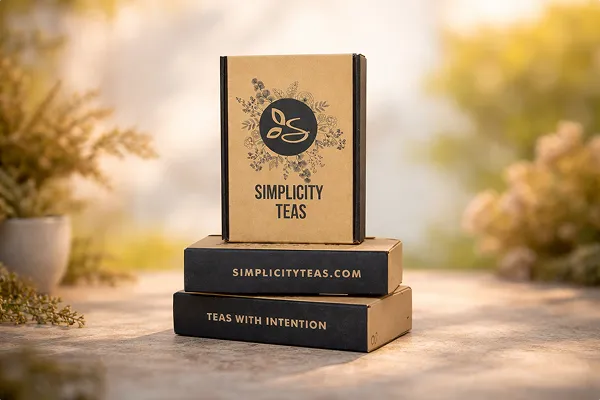
An Etsy seller who switched from poly mailers to kraft corrugated mailers noticed something unexpected a few weeks later: customers had started leaving packaging-specific reviews. Nobody had asked them to mention the box. They photographed it, described the unboxing experience, and tagged it in their feedback — all without prompting. The product hadn’t changed. The packaging had.
That’s the core tension every online seller eventually runs into. A shipping box has one job on paper — get the product there intact — but in practice it does two jobs at once. It protects the item, and it communicates something about the brand before the customer has even opened it. Kraft mailer boxes sit at the intersection of those two jobs, and getting both right, rather than treating them as separate problems, is what this guide is about.
Packaging has measurable influence on repeat behavior. Studies show 52% of online shoppers say they are more likely to repeat purchase from a brand that delivers products in well-considered, attractive packaging, and kraft mailers consistently perform above standard brown boxes in repeat purchase research. If you’re evaluating whether kraft is the right call for your products, the sections below walk through the material differences, the box types, category-specific guidance, printing considerations, and sizing logic you’ll need before placing an order.
What Makes Kraft Mailer Boxes Different from Standard Corrugated
The natural kraft exterior is unbleached paper pulp, left in its original tan-brown color rather than dyed or coated white. Standard brown corrugated is often kraft-faced too, but it’s typically treated or printed over, and the finish reads as generic shipping material rather than a considered choice. The distinction is subtle on a spec sheet and obvious the moment a customer holds both in their hands.
Kraft communicates something standard corrugated doesn’t. The unbleached, visibly natural texture signals sourcing and sustainability without a single word of copy on the box. It reads as artisan-made even when the product inside is mass-produced, and it photographs with a warmth that plain brown shipping cartons don’t have. Customers respond to that difference: they’re more likely to treat a kraft box as part of the product experience rather than disposable packaging, which is exactly why unprompted unboxing content tends to skew toward kraft and custom-printed boxes rather than plain corrugated.
That said, the difference doesn’t matter equally for every brand. If you’re selling handmade goods, cosmetics, apparel, or anything positioned around craft, sustainability, or a personal brand story, kraft reinforces the message. If you’re shipping industrial supplies, bulk commodity goods, or anything where the customer’s only expectation is “it arrived,” standard corrugated is fine and often cheaper — the aesthetic upgrade wouldn’t move the needle for that audience.
Structurally, it’s also worth separating kraft paperboard from kraft-lined corrugated, since sellers sometimes assume “kraft” means one specific material. Kraft paperboard is a single dense layer — sturdy enough for light items but without cushioning. Kraft-lined corrugated has a fluted middle layer sandwiched between two liners, which gives it real impact resistance. Paperboard suits lightweight, low-fragility products; corrugated is the right call anytime weight, fragility, or shipping distance increases the risk of damage.
Kraft Mailer Box Types — Which One for Which Product
Standard kraft mailer boxes are single-layer paperboard mailers, and they’re the right fit for lightweight ecommerce products — apparel, accessories, soap, candles, and anything generally under two pounds. They balance the natural aesthetic against a lower material weight, which keeps shipping costs down on products that don’t need heavy-duty cushioning.
Kraft corrugated mailers step up to a fluted middle layer, and that flute is what separates them structurally from standard kraft. The fluting absorbs impact in a way flat paperboard simply can’t, which makes corrugated the better choice for heavier products, fragile items, or anything over roughly 500 grams. If you’re shipping ceramics, glass, or electronics, this is the format to choose over standard kraft, even though it costs a little more per unit.
Tuck top kraft mailers use a fold-and-tuck closure instead of tape, which makes them well suited to apparel, folded goods, and subscription boxes. The tuck closure gives a clean, finished look straight out of the box, assembly takes seconds without any packing tape, and the result reads as more considered than a taped carton.
Kraft mailers with inserts add interior dividers, foam, or molded trays inside the kraft shell, which is useful for cosmetics, small electronics, CBD tinctures, or multi-product orders. The insert keeps individual items from shifting in transit while also arranging them for a premium unboxing moment — it’s solving a shipping problem and a presentation problem in the same piece.
Custom printed kraft mailers carry a brand’s logo or design directly on the kraft stock. Printing on kraft behaves differently than printing on white board: black ink gives the strongest contrast, and darker tones and foil accents tend to hold up well against the tan background. Bright or highly saturated colors lose vibrancy on kraft’s natural surface, so brands chasing a specific bright color palette are often better served by white corrugated with branded tape rather than fighting the kraft base. Printed kraft is worth the investment once branding is a genuine part of the customer experience; for smaller operations still testing packaging as a lever, plain kraft with printed tape is a lower-cost way to start.
Kraft Mailer Boxes for Specific Ecommerce Categories
Etsy and handmade products tend to be the clearest fit for kraft. The natural texture aligns with a handmade brand story in a way printed white boxes don’t, and it photographs well against the wooden tables, linen backdrops, and natural light that handmade sellers commonly use for product shots. That alignment shows up in reviews too — kraft packaging is disproportionately likely to get called out by name in Etsy feedback compared to generic shipping materials.
Apparel and fashion brands benefit from kraft when the brand positioning leans toward sustainability, minimalism, or craft — think slow fashion or small-batch labels. Fast-turnaround, trend-driven apparel brands often do better with standard printed corrugated, since the kraft aesthetic can undersell a bold, colorful brand identity. Inside the box, garments generally look more intentional folded flat with tissue rather than stuffed, and a tuck-top format keeps the folding structure intact during transit.
Food and wellness products carry additional requirements. Anything shipping directly against food needs food-safe kraft stock, and grease-prone items — baked goods, some snack products — need a grease-resistant liner or inner bag rather than relying on the kraft board alone. Shelf-stable, individually wrapped items (bars, teas, some supplements) tend to be the most straightforward category for kraft shipping; anything perishable needs cold-chain packaging in addition to, not instead of, the kraft exterior.
Subscription box services put kraft through repeated monthly cycles, so consistency and cost matter as much as aesthetics. Kraft exteriors work well when the unboxing experience is part of the subscription’s value proposition — beauty, wellness, and lifestyle boxes lean this way. Subscriptions built more around convenience than experience often do fine with standard corrugated exteriors and put the branding budget into the interior presentation instead.
Ecommerce brands using branded corrugated or kraft mailer boxes report 35% higher repeat purchase rates compared to brands using generic shipping materials, according to DTC retention research — a gap that tracks with how often packaging shows up unprompted in reviews and social content.
A Denver-based handmade soap brand switched from poly mailers to custom printed kraft corrugated mailers with black logo printing. Within 60 days, three customers had posted unboxing content on TikTok without being asked. The brand attributed the shift entirely to the packaging change, since the products themselves hadn’t been altered.
Printing on Kraft — What Works and What Doesn’t
Printing on kraft is a different process than printing on white stock, mainly because the ink sits against a colored, slightly textured background instead of a neutral white one. Colors need more contrast to read clearly, and some pigments simply don’t translate.
Black ink gives the strongest, cleanest contrast on kraft and is generally the safest choice for logos and text. White ink also performs well, reading crisp against the tan background. Dark green, deep brown, and muted gold tones hold their character on kraft because they’re already close to the material’s natural tonal range. Bright blues, vivid pink, electric orange, and neon tones lose saturation and can look muddy, since the kraft base absorbs and dulls lighter, brighter pigments.
For finishing, matte lamination gives a smooth, premium surface without fighting the kraft texture. Spot UV on a logo adds a glossy highlight against the matte kraft for contrast. Foil stamping — gold or copper especially — reads as one of the more effective upgrades on kraft, since the metallic tone complements the natural brown rather than competing with it. Embossing adds a tactile, dimensional element that works well for brands leaning into a premium, handcrafted feel.
For product photography, kraft boxes photograph best against natural materials — wood surfaces, linen or cotton fabric, stone, and soft natural window light. Studio white backdrops and harsh artificial lighting tend to wash out kraft’s warmth; natural light brings out the texture that makes the material distinctive in the first place.
How to Choose the Right Kraft Mailer Size
Start by measuring your product’s actual dimensions — length, width, and height — rather than estimating. From there, add roughly one to two centimeters of clearance on each side if you’re using tissue, inserts, or void fill; less clearance if the product itself is rigid and doesn’t need cushioning material around it.
Most kraft mailer suppliers offer standard size categories: small mailers for accessories and single small items, medium for apparel and multi-item orders, and larger corrugated formats for bulkier or fragile products. Ordering outside those categories with a custom size usually only makes sense once volume is high enough to justify the tooling cost.
Getting the size wrong is expensive in ways that aren’t always obvious upfront. An oversized box lets the product shift during transit, increasing damage risk even with padding. It also drives up both material cost and shipping cost, since carriers increasingly bill by dimensional weight rather than actual weight — a box that’s mostly empty space can cost more to ship than a snugly sized one holding the same product. Once a catalog includes products of meaningfully different sizes, ordering three or four box sizes instead of one universal size almost always pays for itself in shipping savings.
A Philadelphia subscription skincare brand discovered exactly that. Switching from one universal kraft mailer size to three product-specific sizes reduced their monthly shipping costs by 18% through dimensional weight savings alone. The smaller, better-fitted boxes also reduced product movement in transit, which brought down damage complaints as a secondary benefit.
Direct Answers for Kraft Mailer Buyers
What is a kraft mailer box? A kraft mailer box is a shipping box made from unbleached, natural-colored kraft paper or corrugated board, used to ship and present ecommerce products in a single package. It’s designed to protect the product in transit while also functioning as part of the brand’s unboxing experience.
Are kraft mailer boxes eco-friendly? Yes — kraft mailer boxes are made from recyclable, often FSC-certified paper fiber and are widely recyclable and biodegradable, more so than plastic poly mailers. Their environmental profile depends partly on finishing: plain or minimally printed kraft recycles more easily than heavily laminated or foil-stamped versions.
How much do custom kraft mailer boxes cost? Pricing depends on size, board thickness, and printing complexity, but plain kraft mailers are generally among the more affordable shipping box options, with custom printing adding a moderate per-unit increase. Getting an exact quote requires specifying dimensions, order quantity, and print details, since all three shift the cost meaningfully.
What is the minimum order for kraft mailer boxes? Most suppliers set a minimum order of 25 boxes for custom kraft mailers. That threshold is typically low enough for small Etsy sellers and new DTC brands to test a design before committing to larger production runs.
How long do kraft mailer boxes take to produce? Standard production time is around 7 business days from design approval. Custom printing, foil stamping, or embossing can extend that timeline, so it’s worth confirming production time separately from shipping time when planning inventory.
Kraft Mailer Boxes — Complete Reference
Kraft mailer boxes are shipping boxes made from unbleached, natural-toned paper or corrugated board, distinguished from standard brown corrugated by their visibly raw, uncoated finish and the sustainability and craft positioning that finish communicates. Structurally, kraft comes in two main forms: single-layer kraft paperboard, which is lightweight and suited to low-fragility items, and kraft-lined corrugated, which adds a fluted inner layer for impact resistance on heavier or fragile products.
Ecommerce sellers choose between several kraft formats depending on the product. Standard kraft mailers suit lightweight goods like apparel and accessories; kraft corrugated mailers suit heavier or fragile items; tuck top kraft mailers suit folded goods and subscription boxes; kraft mailers with inserts suit multi-item or fragile orders like cosmetics and electronics; and custom printed kraft mailers suit brands where packaging is a deliberate part of brand identity. By category, Etsy and handmade sellers, small-batch apparel brands, food and wellness brands with food-safe requirements, and subscription box services each draw on different combinations of these formats based on product fragility, shipping frequency, and how central the unboxing experience is to the brand.
Printing on kraft favors high-contrast, darker inks — black and white read cleanest, while deep green, brown, and gold tones hold their character against the natural base. Bright, highly saturated colors tend to lose vibrancy on kraft and are better suited to white stock. Finishing options like matte lamination, spot UV, foil stamping, and embossing are commonly paired with kraft to add a premium tactile or visual layer without overwhelming the material’s natural look.
Ordering kraft mailer boxes typically starts at a minimum order of 25 units, with standard production running around 7 business days before shipping. Sizing should be based on actual product measurements plus a small clearance allowance for inserts or void fill, and brands shipping multiple product sizes generally save on shipping costs by ordering several box sizes rather than one universal size.
Getting Started
The decision points that matter most are fairly consistent across categories: whether your product needs corrugated strength or can ship safely in lighter paperboard, whether your brand positioning benefits from kraft’s natural aesthetic or would be better served by a printed white box, and whether your product catalog needs one box size or several. For first-time buyers, the lowest-risk starting point is a standard kraft mailer at minimum order quantity, tested with your actual product before committing to custom printing or multiple sizes.
Explore our custom mailer boxes in kraft, corrugated, and specialty formats for ecommerce brands, Etsy sellers, and subscription services across the United States.
Frequently Asked Questions
1. What is a kraft mailer box? A kraft mailer box is a shipping box made from unbleached, natural-brown kraft paper or corrugated board. It’s used across ecommerce to both ship and present products, combining protective function with a visible brand aesthetic. Unlike plastic poly mailers, kraft boxes hold their shape and offer more structural protection. They’re available in paperboard or corrugated construction depending on the weight and fragility of what’s being shipped.
2. How is kraft different from standard corrugated? Standard corrugated is often bleached, printed over, or coated, giving it a more generic, uniform appearance. Kraft corrugated keeps the natural, unbleached fiber visible, which reads as more intentional and sustainability-forward. Structurally, both can include the same fluted middle layer for cushioning — the difference is primarily in the visible finish, not the strength. Kraft’s aesthetic is the main reason brands choose it over standard brown corrugated.
3. What can I ship in kraft mailers? Kraft mailers work well for apparel, accessories, soap, candles, cosmetics, food-safe wellness products, and subscription box contents. Lighter items under roughly two pounds typically ship fine in standard kraft paperboard. Heavier or more fragile items — ceramics, glass, electronics — need kraft corrugated for adequate cushioning. Food products need a food-safe liner or inner bag rather than direct contact with the kraft board.
4. Can I print my logo on kraft boxes? Yes, custom printing is one of the more common upgrades to kraft mailers. Printing sits directly on the kraft surface, and the natural tan background affects how colors render compared to white stock. Dark, high-contrast inks like black and white tend to work best. Most suppliers offer custom printed kraft as a standard product line, typically with a minimum order requirement.
5. What colors print well on kraft? Black and white ink give the cleanest contrast against kraft’s natural tan tone. Dark green, deep brown, and muted gold also hold up well since they’re tonally close to the base material. Bright, saturated colors like electric blue, neon pink, or vivid orange tend to lose vibrancy and can look dull on kraft. Foil stamping in gold or copper is often a more effective way to add a bold visual element than bright printed ink.
6. Are kraft mailer boxes recyclable? Yes, kraft mailer boxes are generally recyclable through standard paper and cardboard recycling streams. Plain or lightly printed kraft recycles most easily; heavy lamination, plastic coating, or certain foil treatments can make recycling more difficult depending on local facilities. Many kraft suppliers offer FSC-certified stock, which adds a sourcing sustainability credential on top of the material’s basic recyclability. Checking with your local recycling program is the most accurate way to confirm what’s accepted in your area.
7. What size should I order? Start by measuring your product’s actual length, width, and height, then add a small clearance allowance — roughly one to two centimeters per side — if you’re using tissue or insert materials. Oversized boxes let products shift in transit and increase both material cost and dimensional weight shipping charges. If your catalog includes multiple product sizes, ordering two or three box sizes instead of one universal size typically reduces shipping costs. Suppliers can usually recommend standard sizing categories based on your product dimensions.
8. How do I prevent product movement? Movement prevention starts with correct sizing — a box that’s too large will always allow shifting regardless of what’s inside it. Beyond sizing, inserts, dividers, tissue paper, or molded trays keep individual items in a fixed position during transit. Kraft mailers with built-in inserts are specifically designed for multi-item or fragile orders where movement is a higher risk. For single, well-fitted items, correct box sizing alone is often sufficient without additional insert materials.
9. What is the minimum order? Most kraft mailer suppliers set a minimum order quantity of 25 boxes for custom designs. This threshold is generally accessible for small Etsy sellers, new DTC brands, and businesses testing a packaging redesign before scaling up. Larger custom runs typically bring the per-unit cost down, but the 25-unit minimum allows for testing without a major upfront commitment. Plain, unprinted kraft stock sometimes carries a lower minimum than custom printed runs.
10. How long does production take? Standard production time for custom kraft mailer boxes is around 7 business days after design approval. Additional finishing — foil stamping, embossing, or spot UV — can extend that timeline beyond the standard window. This production time is separate from shipping time to your location, so both should be factored into inventory planning. Confirming exact turnaround with your supplier before ordering helps avoid stock gaps around peak selling periods.