
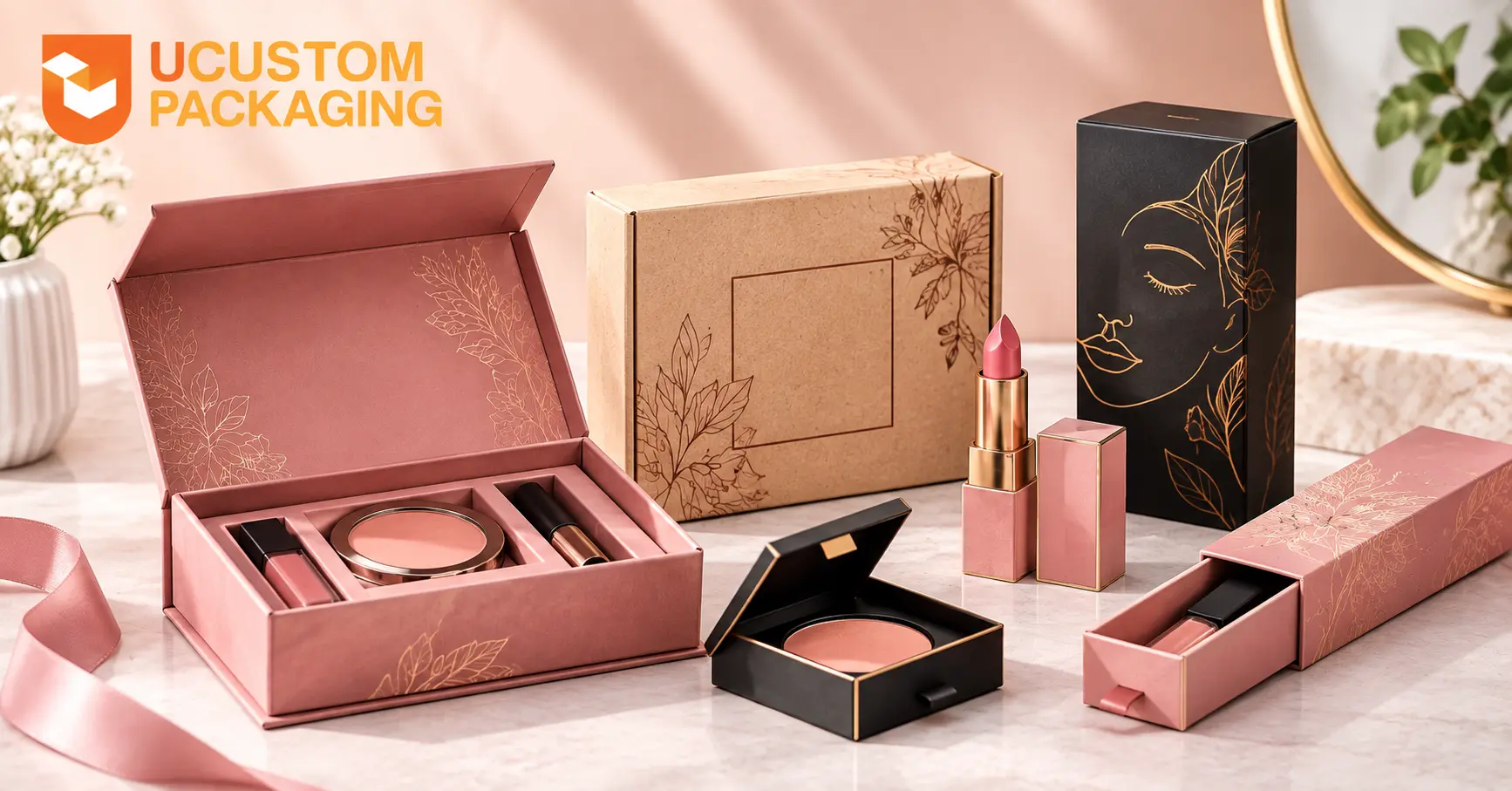
Unboxing has quietly become part of the beauty experience itself. A shopper who spends money on a lipstick, an eyeshadow palette, or a skincare set expects the box it arrives in to feel just as intentional as the product inside. That’s really why so many beauty brands keep circling back to custom makeup boxes, not because a trend report told them to, but because the box is usually the very first physical thing a customer touches, and first impressions in this industry are unforgiving. Get the packaging wrong, and even a good product can feel forgettable.
Why the Box Matters as Much as What’s Inside It
Cosmetics are personal purchases. People buy them to feel a certain way, and that emotional pull starts before the lid ever comes off. Sturdy custom beauty boxes with clean printing, the right finish, and a snug fit signal that a brand cares about detail the same detail customers hope shows up in the formula itself. On the flip side, a flimsy or generic box can undercut months of work on product development, no matter how good the eyeshadow or serum actually is. Packaging isn’t decoration; it’s part of the sales pitch.
What Actually Makes a Custom Makeup Box Work
Good custom makeup boxes share a few traits that have nothing to do with looking pretty on a feed. Size matters first a box that leaves products rattling around looks cheap and risks damage in transit. Structural strength matters next, especially for glass bottles, compacts, or anything with a mirror. Then there’s print quality: colors need to match the brand’s actual palette, not a washed-out version of it. Finally, the opening experience should feel deliberate, whether that’s a magnetic flap, a two-piece rigid box, or a simple tuck-end design. When all four line up, custom makeup boxes stop being just packaging and start acting as a quiet extension of the product itself.
Materials and Finishes That Actually Turn Heads
Kraft board, rigid chipboard, and coated paperboard each behave differently, and the choice affects both cost and how premium a box feels in hand. Matte lamination tends to photograph well and hides fingerprints, which matters for high-touch retail displays. Spot UV and foil stamping add contrast without raising the price the way full foiling does. Window cut-outs let a bold lipstick shade or a pastel palette sell itself before the box is even opened. None of this needs to be expensive; it needs to be chosen deliberately, based on what the product is trying to communicate on a shelf or in a photo.
What Goes Into a Solid Packaging Box
Beyond looks, a dependable packaging box comes down to a handful of short, practical details. Wall Thickness keeps the box from crushing under stacking weight during shipping. Corner Reinforcement stops dents at the edges, which is usually where damage starts. Insert Design keeps a bottle, compact, or palette from sliding around during transit. Print Registration keeps logos and text sharp instead of blurry or off-center. Get these basics right, and everything else finish, color, branding has a solid base to sit on.
Popular Box Styles at a Glance
Different products call for different box logic. Here’s a quick comparison of styles brands commonly choose for makeup lines, along with what each one tends to suit best.
| Box Style | Best For | Typical Material | Notable Feature |
| Two-Piece Rigid Box | Palettes, gift sets | Rigid chipboard | Premium unboxing feel |
| Tuck-End Box | Single lipsticks, mascaras | Coated paperboard | Cost-effective, fast to produce |
| Magnetic Closure Box | Skincare sets, luxury lines | Rigid board + magnet | Reusable, high-end feel |
| Window Box | Highlighters, eyeshadow palettes | Kraft or paperboard | Product visibility on shelf |
| Sleeve Box | Compact powders, blush | Coated paperboard | Slide-out mechanism, minimal |
Whichever style fits the product, the goal of custom makeup packaging stays the same: protect what’s inside while making the brand impossible to ignore.
Sustainability Without Losing the Glamour
More beauty buyers are checking the box itself for recyclability before they check the ingredient list. Soy-based inks, FSC-certified paperboard, and minimal plastic inserts let brands keep an eco-friendly promise without the packaging looking bare-bones. Recyclable custom beauty boxes can still carry foil accents, spot UV, or embossed logos — sustainability and shine aren’t mutually exclusive anymore. What matters is choosing a supplier who understands both sides of that balance, rather than treating “eco-friendly” as a marketing sticker slapped onto standard packaging.
How U Custom Packaging Builds Boxes Around Your Brand
This is where U Custom Packaging tends to come in for beauty brands that are tired of settling for stock boxes. The process usually starts with a short conversation about the product itself — dimensions, fragility, shelf placement, and budget — before any design work happens. From there, the team puts together mockups using the brand’s actual colors and logo files, not generic templates, so there are no surprises once printing starts. For brands ordering custom makeup boxes for the first time, that step alone tends to save weeks of back-and-forth. Low minimum order quantities also make it realistic for smaller or newer beauty labels to package like an established name.
A Few Design Tips Before You Place an Order
Before finalizing custom makeup boxes, it helps to physically hold a sample rather than approving everything from a screen — colors and textures read differently in person. Keep typography legible at a small scale, since most boxes are viewed up close, not from across a room. Leave breathing room around the logo instead of crowding it with claims and icons. And test the box with the actual product inside before mass production, since a design that looks perfect flat on a proof sheet can fit awkwardly once it’s holding a bottle or compact. Small adjustments at this stage are far cheaper than reprinting after the run.
Making the Box Part of Your Brand’s Story
At the end of the day, packaging is one of the few brand touchpoints a customer holds in their hands and keeps around, sometimes long after the product itself is gone. Investing in custom makeup boxes that actually reflect the brand — its colors, its tone, its promise — pays off in repeat customers and shares far more than another discount code would. Whether a brand is just starting out or scaling into retail, working with U Custom Packaging for custom makeup boxes means fewer guesses and a packaging partner that treats the box as part of the product, not an afterthought.
FAQs
What is the standard turnaround time for custom makeup boxes?
Most orders take one to two weeks from approved design to delivery, depending on box style, finish, and order volume. Rush production is usually available for an added cost when a launch date is tight.
Can U Custom Packaging handle small batch orders for new beauty brands?
Yes. Minimum order quantities are kept low specifically for independent and newer labels, so a brand doesn’t need to commit to thousands of units before it has proven demand for a product.
Which material works best for custom makeup packaging that needs to survive shipping?
Rigid chipboard or reinforced coated paperboard tends to hold up best for anything glass or breakable. For lighter items like lipsticks or brushes, standard coated paperboard is usually sturdy enough and keeps costs down.
How do I know which box style fits my product line?
It comes down to the product’s shape, fragility, and how it’s displayed — a palette benefits from a rigid two-piece box, while a single lipstick usually only needs a tuck-end design. A packaging consultation can narrow this down quickly.
Is eco-friendly packaging more expensive than standard custom makeup boxes?
Not necessarily. Recyclable board and soy-based inks are now close in price to conventional materials, and the difference is often offset by the value customers place on sustainable packaging.