
When a customer receives a package, the box is the first thing they touch before they even see what’s inside. That first ten seconds shapes how they feel about your brand, and it’s why so many businesses are moving away from plain shipping cartons toward Custom Packaging Boxes. A well-designed box does more than hold a product together during transit — it tells your brand’s story, protects what’s inside from damage, and quietly nudges the customer closer to a repeat purchase. If you sell online or run a retail line, the packaging you choose is working for or against you every single day. At U Custom Packaging, this is the exact problem we help brands solve every week.
Why Custom Packaging Boxes Matter for Your Brand
Branding isn’t just a logo stamped on a lid. It’s the color choices, the texture of the material, the way the box opens, and the small details that make someone pause before they even lift the flap. Custom Packaging Boxes give you control over every one of those touchpoints. Instead of a generic brown carton that looks the same as a hundred other deliveries, you get a box that customers recognize the moment they see it on their doorstep.
This matters more now than it did five years ago. Social media has turned unboxing into content — people film themselves opening packages and post the clips online. A plain box rarely makes the cut. Custom boxes with a clean design, a bit of personality, and thoughtful finishing touches get shared, tagged, and remembered. That’s free marketing you don’t get from a blank carton.
Protection Is Still the Job
Branding aside, a box still has one basic job: get the product to the customer in one piece. Custom Packaging Boxes are built around the item they’re carrying, not the other way around. A candle brand needs different cushioning than a clothing brand, and a box built to the exact size and weight of your product reduces movement, cuts down on damage claims, and saves money on filler material.
| Packaging Factor | Standard Boxes | Custom Packaging Boxes |
|---|---|---|
| Fit to product | Loose, generic sizing | Precise, made for the item |
| Damage during shipping | Higher risk | Reduced risk |
| Branding opportunity | None or minimal | Full control over design |
| Customer unboxing experience | Forgettable | Memorable, shareable |
| Material waste | More filler needed | Less filler, better fit |
| Cost over time | Cheaper upfront, pricier in returns | Higher upfront, lower in damage/returns |
The table above is a simple way to see the trade-off. Standard boxes look cheaper on paper, but once you factor in damaged goods, unhappy customers, and returns, the custom route usually works out to be the smarter long-term choice.
How Custom Packaging Boxes Drive Sales
Here’s the part that often gets overlooked: packaging directly affects buying decisions, not just after-purchase satisfaction. Shoppers judge product quality partly by the packaging before they ever open it. A flimsy, unbranded box can make even a great product feel cheap, while a sturdy, well-printed box builds trust before the customer has used a single ounce of what’s inside.
Custom Packaging Boxes also support repeat business. When someone associates your box design with a good experience, they remember it. That recognition builds loyalty in a crowded market where dozens of competitors are one click away. Retailers have noticed this too — many now prefer stocking products that arrive in well-branded packaging because it looks more professional on a shelf and requires less repackaging.
There’s also the practical sales angle: packaging is real estate. A printed box can carry your logo, your website, your social handles, and a discount code for the next order, all without extra cost. That’s advertising space you already paid for, working long after the sale is closed. It’s one of the small details we walk clients through at U Custom Packaging before a single box goes to print.
Types of Custom Packaging Worth Considering
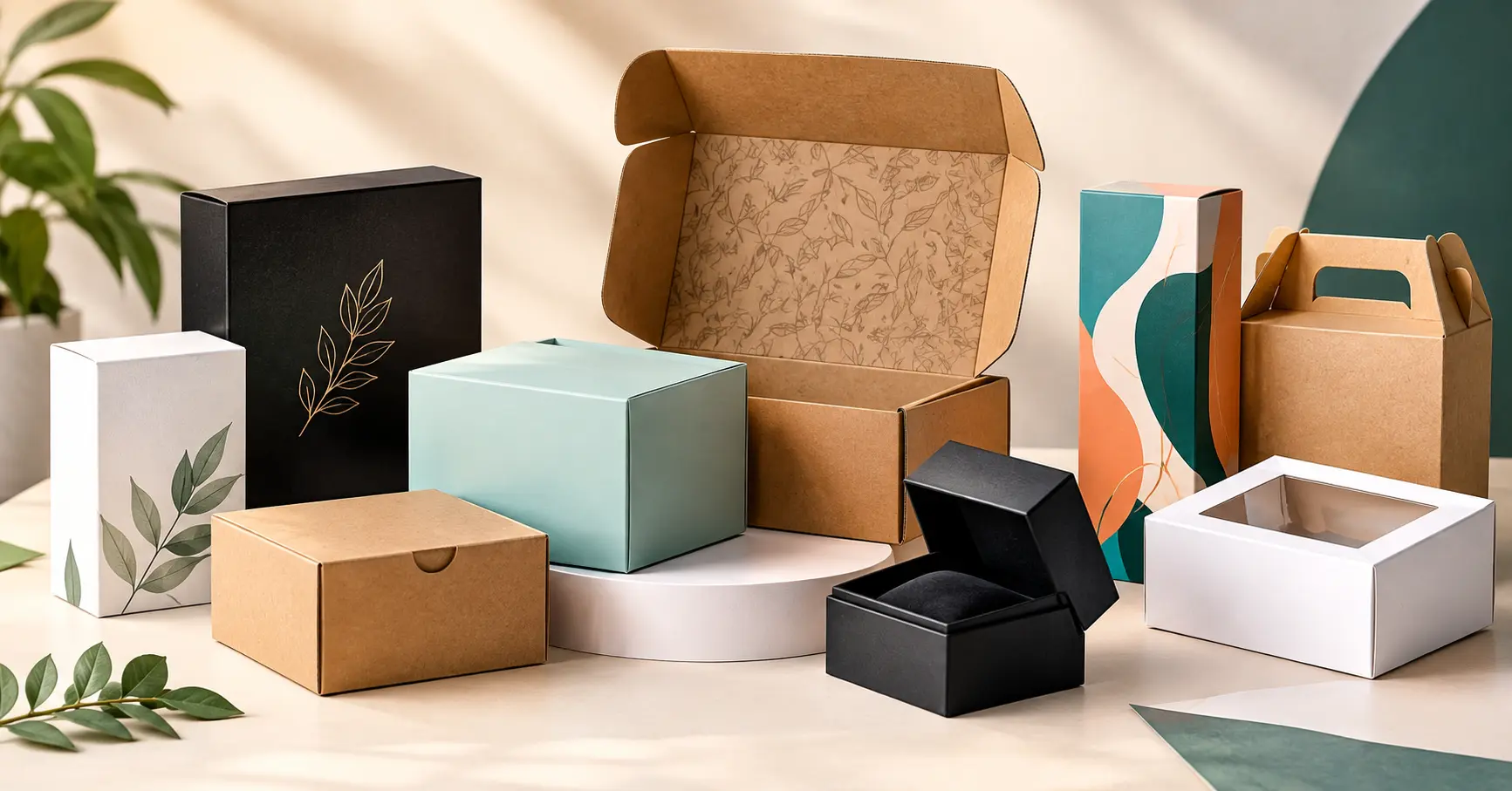
Not every business needs the same setup. Custom product boxes range from simple kraft mailers with a printed logo to fully structured rigid boxes with foam inserts for fragile or high-end items. Custom printed boxes with full-color graphics work well for beauty, food, and subscription brands where visual appeal sells the product. Simpler, minimal, single-color printing suits brands leaning into a more understated, premium look.
The right choice usually comes down to three things: what you’re shipping, who’s receiving it, and what story you want the box to tell. A skincare brand and an electronics company need very different packaging, even if both are trying to achieve the same goal of standing out.
Choosing the Right Supplier
Not all packaging suppliers offer the same level of customization or turnaround time. Before committing, ask about minimum order quantities, printing methods (digital versus offset), material options, and whether they offer design proofs before a full print run. A supplier who can walk you through your full range of options — rather than pushing one template — is usually the better long-term partner. It’s how U Custom Packaging approaches every new client, starting with the product rather than a catalog page.
Packaging is one of those decisions that quietly compounds. Get it right, and every shipment becomes a small marketing win. Get it wrong, and you’re paying for damage claims and missed brand recognition month after month. For most growing businesses, investing in the right boxes pays for itself well before the second order rolls in — which is why brands keep coming back to U Custom Packaging as they scale.
FAQs
1. What are Custom Packaging Boxes exactly?
They’re boxes designed and printed to match a specific brand and product, rather than generic, unbranded cartons. They’re sized, shaped, and decorated based on what’s being shipped and who’s receiving it.
2. Are custom boxes more expensive than standard packaging?
Usually the upfront cost is a bit higher, but the savings on damage, returns, and filler material often balance it out, especially at higher order volumes.
3. What’s the difference between custom printed boxes and custom product boxes?
One refers to the design and graphics on the surface, while the other refers to the structural fit — the size and shape built around a specific item.
4. How long does it take to get custom packaging made?
Turnaround depends on the supplier and printing method, but most orders take anywhere from two to six weeks, including design proofs and a sample run.
5. Can small businesses order Custom Packaging Boxes in low quantities?
Yes. Many suppliers now offer low minimum order quantities aimed at small and growing brands, so you don’t need to commit to thousands of units to get custom packaging.